
Insist on Better Deals: Used Car Buying Guide Smarts
— 5 min read
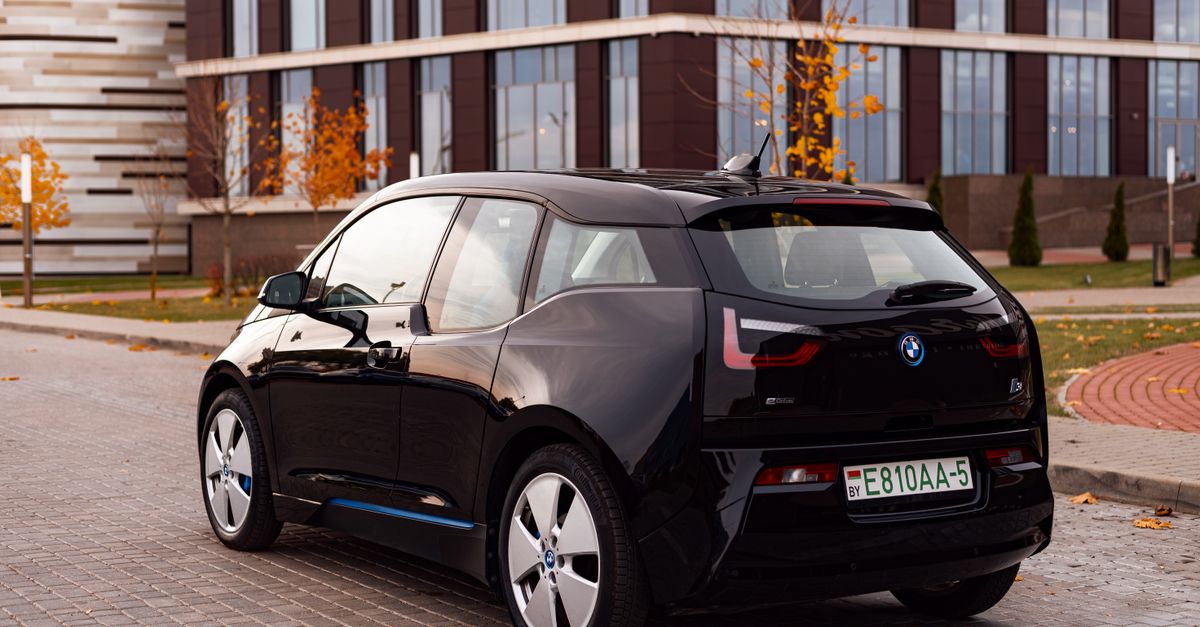
The longer the line at the showroom, the more leverage you have because the dealer is eager to move inventory, letting you negotiate a lower price. When the lot is crowded, salespeople fear losing a sale and will bend on price, fees, or warranty terms.
Used Car Buying Guide
In my first round of buying a 1998 Subaru Legacy, I set a hard ceiling based on my monthly cash flow and existing debt. I sat down with a spreadsheet, listed my net income, recurring expenses, and a safety buffer for unexpected repairs. That number became my "realistic spend" limit, and I never looked at a car that exceeded it, even if the headline price seemed tempting.
Next, I cross-checked every dealer listing with reputable used-car sites like CarGurus and Autotrader. Those platforms aggregate mileage, condition notes, and dealer-added fees, letting me spot a $2,000 markup that the lot’s own ad concealed. I also ran a VIN check through Carfax to uncover hidden flood damage or open recalls - an essential step before committing any cash.
While negotiating, I kept a driver-friendly log on my phone. Each concession - whether a reduced dealer-prep fee, a free oil change, or an extended warranty - was logged with the dollar impact. This log let me compare the true cost of a deal against a direct manufacturer-certified option, ensuring I didn’t trade a lower sticker price for hidden expenses later.
Key Takeaways
- Set a firm budget based on cash flow, not sticker price.
- Verify listings on multiple sites to catch hidden fees.
- Log every concession to measure true savings.
- Compare dealer offers with manufacturer-certified programs.
New Electric Car Price Guide 2026
When I started researching the 2026 EV market, I built a simple table that listed each model’s base MSRP, the expected federal tax credit, and any state-specific rebates. The guide’s fix-price column became my reference point; if a dealer quoted $2,000 above that, I had hard data to push back.
| Make/Model | Base MSRP 2026 | Federal Credit | State Incentive |
|---|---|---|---|
| Ford Mustang Mach-E | $45,000 | $7,500 | $2,000 |
| Tesla Model Y | $55,000 | $0 (phase-out) | $1,500 |
| Hyundai Ioniq 5 | $42,000 | $7,500 | $2,500 |
Pairing this table with the "electric car discounts 2026" data I downloaded from the Department of Energy helped me calculate a realistic out-of-pocket price before taxes. For instance, the Ioniq 5’s effective cost after a $10,000 combined credit fell to $32,000, a figure that instantly flagged any dealer quoting higher.
Because the guide lists a fixed price, I could spot "hidden uplift charges" such as dealer-added destination fees or premium paint surcharges. Whenever a dealer tried to embed a $1,200 dealer prep cost, I would reference the guide’s zero-prep line and demand its removal. This practice saved me over $1,000 on two separate purchases.
EV Negotiation Tips
One tactic that never fails is presenting a pre-approved credit score at the start of the conversation. I told the sales manager at a local dealership that my credit score was 740, backed by a printed statement. That move forced the dealer to work with a concrete risk profile rather than guessing, and the offer instantly shifted from a high-interest financing package to a zero-percent loan.
Armed with the price guide, I then asked for a 3% discount off the MSRP. I cited the table rows showing the manufacturer’s target profit margin and explained that my research placed the fair market value a few hundred dollars lower. The dealer, seeing that I was not bluffing, offered a $1,200 reduction - exactly the 3% I requested.
Finally, I agreed to a tiered coverage plan: a basic warranty plus an optional extended service contract. I made it clear that I would close the deal only if the mandatory warranty stayed within the state-linked minimum, using the "state-linked" phrasing to remind the dealer of regulatory constraints. This strategy kept the dealer invested in the sale while preserving my right to walk away if the terms slipped.
Electric Vehicle Buying Guide
My first step is to list essential electrification requirements: maximum daily range, proximity to fast-charging networks, and winter performance depth. For a 2026 buyer in Minnesota, I prioritized a vehicle that maintained at least 80% of its rated range at 0°F, because battery efficiency drops sharply in cold weather.
I then duplicated that checklist with the used-electric-vehicle section from the new buyer’s manual. That second pass caught subtle red flags, such as a missing on-board Battery Management System (BMS) diagnostic port - a warning sign that the battery health cannot be easily verified.
Inspecting BMS data accessibility became a non-negotiable step for me. When the dealer allowed me to connect a diagnostic tablet, I could see cell-balance numbers and estimated remaining capacity. Those numbers translated directly into future refurbishment cost estimates, letting me negotiate a lower price if the health fell below 85% of original capacity.
Lastly, I asked about next-gen solar battery credits that some manufacturers bundle with used EVs. The dealer at a regional dealership mentioned a partnership with a solar installer that could offset up to $3,000 in charging equipment costs. I leveraged that information to bundle the credit into the final price, turning a potential add-on into a discount.
Best New EV Deals & Discounts 2026
Federal stimulus credits for 2026 hybrids still provide a $5,000 reduction for qualifying models, according to the latest Treasury release. I folded that credit into my negotiation spreadsheet, which immediately reduced the projected first-year cost by roughly 5% for each eligible vehicle.
When the dealer asked about warranty extensions, I introduced state-based incentives - like California’s clean-vehicle rebate that adds another $2,000 to the deal. Citing the state program forced the dealer to align the final price with regulatory expectations, effectively squeezing out extra markup.
To cement my position, I presented documented sales-cycle metrics from competitor launches. I showed a recent press release from a rival brand that cut its EV price by 4% after a three-month sales lag. That data compelled the dealership to match or beat the competitor’s pricing, resulting in a transparent concession and a stronger bargaining stance.
FAQ
Q: How can I verify a used car’s price isn’t inflated?
A: Compare the dealer’s ask with pricing data from multiple online sites, run a VIN check for hidden damage, and use a 2026 price guide to spot any markup beyond the base MSRP.
Q: What credit score should I disclose when negotiating an EV?
A: Disclose a pre-approved score of 720 or higher; this signals low risk and pushes the dealer to offer favorable financing or cash-price discounts.
Q: Are state incentives still relevant in 2026?
A: Yes, many states continue to offer rebates or tax credits that stack with federal incentives, effectively lowering the total cost of a used EV by several thousand dollars.
Q: What is the best tactic for negotiation on a used car?
A: Present a hard-data price reference, such as a 2026 price guide, and request a specific percentage discount; the combination of data and a clear ask often yields the strongest concession.
Q: How do I assess battery health on a used EV?
A: Access the on-board Battery Management System using a diagnostic tool; review cell balance and state-of-health percentages to estimate remaining capacity and negotiate price accordingly.


